How do you check a used car's accident record and mileage?
A step-by-step way to verify accident records by plate and VIN, and to trace mileage history through inspection and service records.
Short answer
Get the registration photo and note the plate, VIN and document serial number. Have the owner log in to e-Devlet and run the SBM (TRAMER) damage query in front of you. For mileage, compare TÜVTÜRK inspection records with authorised service work orders, and confirm any conflict at an independent inspection centre.
What you need
Step by step
Collect the registration details
Ask the seller for a clear photo of the vehicle registration document. The plate, chassis (VIN) and document serial number are needed for every query that follows. If the name on the document does not match the seller's ID, ask whether there is a notarised power of attorney.
Run the damage query on e-Devlet
On e-Devlet, type "hasar" into the search box and open the vehicle damage and repair query listed under the Insurance Information and Monitoring Center (SBM). The service only works with the owner's own login, so ask the seller to open the screen while you are present and read the report together.
Read the damage report line by line
The screen lists damages reported to insurers, the damage type, and which parts were replaced or repaired. Note any "ağır hasar" (severe damage) or "pert" (write-off) entries and the repaired areas. Then inspect exactly those areas on the car, checking paint finish and panel gaps.
Build the mileage history from inspections
Use the TÜVTÜRK vehicle inspection query on e-Devlet or the inspection lookup at tuvturk.com.tr. With the plate and the registration document serial number you can see the odometer reading recorded at each inspection. Check that the figures rise in order over time.
Request the authorised service history
Call the brand's authorised service with the chassis number and ask for the service history and work-order records. Each visit lists the odometer reading at the time. If any value conflicts with the inspection records, treat it as a sign of odometer tampering.
Confirm everything at an independent inspection
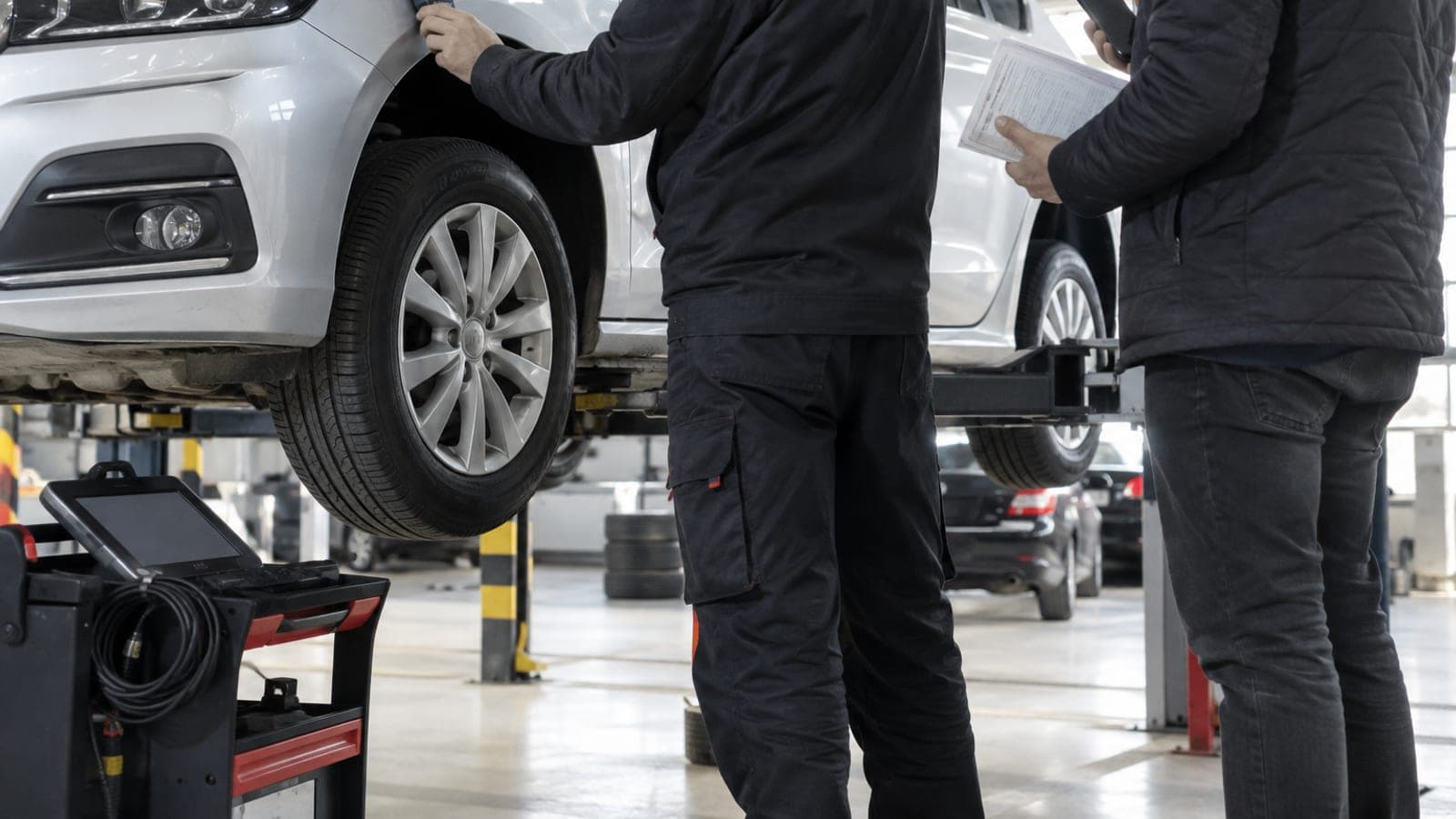
Book a full inspection at a centre holding a TSE service competence certificate. They measure paint thickness, check bodywork and the chassis, and read fault codes and mileage over OBD. Get the report in writing before you agree to buy.
Check liens, seizures and debts
Before the notary appointment, run the e-Devlet queries for vehicle pledges, seizures and annotations, plus traffic fines. A car with a clean damage record can still be pledged or seized, which blocks the transfer. Check outstanding motor vehicle tax as well.
Put your findings to the seller in writing
Ask the seller about every mismatch between the damage record, inspection mileage and inspection report, and keep the answers in messages. If an inconsistency cannot be explained, walk away rather than using it as a bargaining chip; the official record is what counts.
Tips
Watch out
A clean damage record does not prove the car has never been in an accident. Crashes repaired in cash without an insurance claim show up in no query, and the odometer may have been wound back. Trusting the screen alone and skipping the physical check and independent inspection is the most common mistake.
Frequently asked questions
+Can I query someone else's car from my own e-Devlet account?
No. The damage record query only runs under the owner's own login, so you need to ask the seller to run it while you watch.
+Whose data does the damage query show?
It shows TRAMER records held by the Insurance Information and Monitoring Center (SBM), meaning damage and repair information reported to insurance companies.
+Where can I see official mileage figures?
The most reliable official trail is the odometer readings in TÜVTÜRK inspection records. Authorised service work orders also record mileage and are useful for comparison.
+Should I buy a car recorded as a write-off?
You can, but the record goes on the registration document, the value drops and insurance terms change. Have the chassis and load-bearing parts checked before deciding.
+Does an inspection report replace the damage record?
No, they measure different things. The record shows what was reported to insurers; the inspection shows the car's physical condition today. Use both together.
Sources and verification
Last verified: 13 Eylül 2026. tell us. Procedures, institutions and service names refer to Turkey (e-Devlet, SBM/TRAMER, TÜVTÜRK).
This content is for information only; for official procedures the relevant institution’s current announcements take precedence. Details: disclaimer.